Depth is two numbers, not one
Ask how deep a raised bed should be and you get an answer in inches that quietly mixes up two different measurements. There is the height of the box above the ground, and there is the depth of loose soil a root can actually use. On a bed built straight onto soil, the two are close enough that the difference does not matter much. On a bed built over concrete, gravel or a roof, they are the same number, and that number has to be bigger.
This page settles the build decision: how high to make the frame, how wide to make it reachable, and what changes when there is no soil underneath. It deliberately does not do the volume arithmetic for you — the raised bed soil calculator already turns any bed size and depth into cubic feet, cubic yards and bags.
What the extension services actually specify
Two university sources, two different numbers, and both are right because they describe different builds. Utah State University Extension, Raised Bed Gardening puts the box at 6 to 12 inches high, and describes beds built 8 to 12 inches above the surrounding soil. Clemson Cooperative Extension, Raised Beds gives 4 to 8 inches high for the finished unlined bed — a bed where native soil is worked up and heaped, not a box dropped onto the ground.
The gap between 4 and 12 inches is not sloppiness. A bed that keeps the soil profile continuous with the ground beneath it can be shallow, because roots keep going down into the native soil. A bed that interrupts that profile — a timber box on a hard surface, a table bed, a bed over contaminated ground — has to carry the whole rooting volume itself, which is why the deeper end of the range exists.
Why rooting depth sets the floor, not the ceiling
Utah State ties box height directly to what vegetables need: at least 6 to 12 inches high to accommodate the rooting depth of most vegetables. That is the sentence to keep in mind while choosing boards, because it reframes the question from "how deep looks right" to "how deep do the crops I intend to grow need".
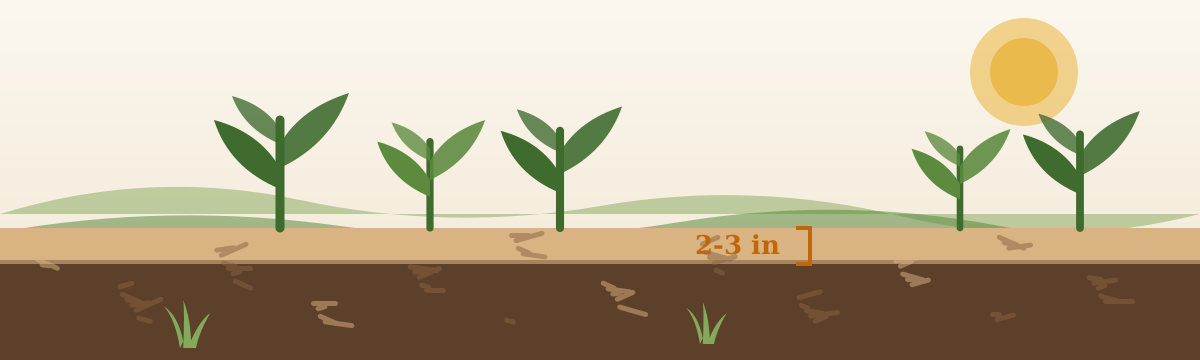
The same source gives the escape hatch for shallow builds: raised beds shallower than 12 inches should be built with no bottom, so roots can reach the existing soil below the box. It also prescribes tilling the soil beneath the box 6 to 12 inches deep before adding new garden soil, which is the step most first-time builders skip. A 6-inch-deep box sitting on compacted subsoil is a 6-inch pot; the same box over loosened ground behaves like a much deeper bed.
University of New Hampshire Extension arrives at the same range from a different direction: aim to make beds six inches or taller, it advises, and notes that many vegetable crops grow best with at least a foot of soil to support their root systems. Two states, two wordings, one working range — six inches as the floor for a bottomless bed, twelve as the target when the roots have nowhere else to go.
Width matters as much as depth
New Hampshire Extension puts the same limit in terms of reach rather than design: ideally, beds will be no more than four feet wide, so you can reach the centre without stepping on the soil. Its own summary of why this matters is blunt — less compaction and better soil structure are among the main benefits of beds in the first place.
Utah State specifies beds 3 to 4 feet wide, and the reason is reach: a gardener standing on both sides can work the middle of a 4-foot bed without stepping into it. Stepping in is what compacts soil, and compaction is the problem raised beds exist to solve. Depth gets all the attention because it costs money in boards and soil; width is free to get right at the planning stage and expensive to fix afterwards.
What the 8-versus-12 decision costs in bags
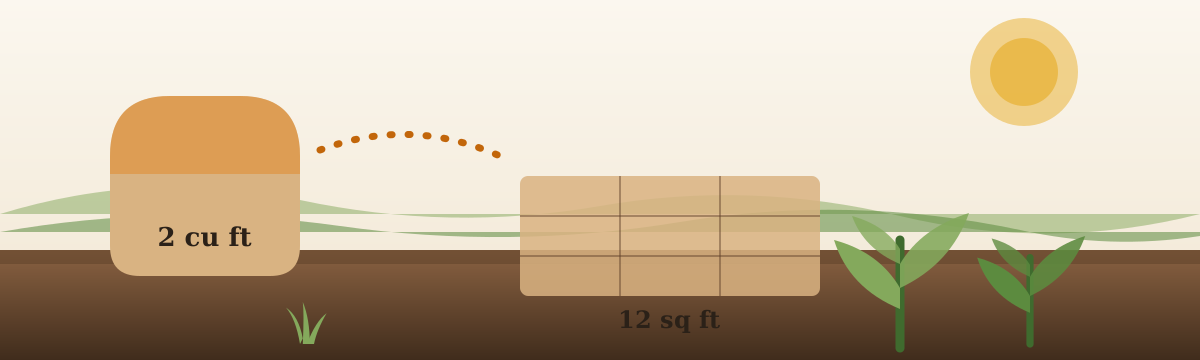
This is where the depth choice turns into a shopping trip, and where the calculator earns its place. A 4-foot by 8-foot bed — 32 square feet — filled 12 inches deep holds 32 cubic feet of mix, which is 1.19 cubic yards or about 16 bags of 2 cubic feet. Filled 8 inches deep, the same bed holds 21.33 cubic feet, 0.79 cubic yards, about 11 bags.
The four inches between those two beds is 10.67 cubic feet, roughly five bags. That is the honest price of the deeper build: not 32 cubic feet, but the difference between the two options, which is the number to weigh against what you plan to grow.
A shallower example makes the same point from the other end. A 10-foot by 4-foot bed worked up to 6 inches — the shallow end of Clemson's unlined range — holds 20 cubic feet, 0.74 cubic yards, about 10 bags. It is a perfectly good bed for shallow-rooted crops sitting on ground that has been loosened beneath it, and a poor bed for anything with a taproot sitting on a hard pan.
Beds with no soil underneath
Utah State's bottomless rule for beds under 12 inches assumes there is soil below worth reaching. Where a bed sits on concrete, pavers, gravel or a deck, that assumption fails, and the box has to supply the full rooting depth on its own. The practical consequence is that the 12-inch figure stops being a generous upper bound and becomes the minimum you should build to, with the understanding that even 12 inches is thin for crops that root deeply.
Drainage is the other half of the hard-surface problem. A bottomless bed sheds water into the ground; a closed box on concrete has to drain through its own base, which is why builders who line a bed on a hard surface leave the base open to a drainage layer rather than sealing it.
One build deserves its own number. Where the point of the bed is to stop bending, University of Florida IFAS notes that elevating a raised bed one to three feet high makes gardening possible for people with limited mobility — a range set by the gardener rather than by the crop. The same source lists fewer nematode problems among the side effects of lifting a bed off the ground, which is a bonus rather than the reason to do it.
How this page fits with the rest of this site
Three pages here deal with raised beds and they divide the job cleanly. This page answers how high to build the frame and how wide to make it. The raised bed soil calculator answers how much material any bed holds once you have fixed those dimensions, including the two-inch freeboard that stops a level fill spilling over the first time it rains. And when the bed is planted and you are covering the surface rather than filling the box, the depth rules change again — those live on the mulch depth guide, because a mulch layer is measured in inches of cover, not in cubic yards of fill.
The related decision this page does not cover is what goes inside the box. Topsoil, raised bed mix and potting soil are different products with different drainage, and the calculator page explains which one a bed wants; the compost calculator handles the amendment side when you are blending organic matter into the fill.
Depth recommendations, with sources
| Question | Recommendation | Source |
|---|---|---|
| Box height for a framed bed | 6–12 in high | Utah State University Extension |
| Finished height, unlined bed worked up from native soil | 4–8 in high | Clemson Cooperative Extension |
| Beds built above the surrounding grade | 8–12 in above grade | Utah State University Extension |
| Beds shallower than 12 in | Build with no bottom, so roots reach the soil below | Utah State University Extension |
| Soil preparation beneath the box | Till 6–12 in deep before filling | Utah State University Extension |
| Bed width | 3–4 ft, reachable from both sides | Utah State University Extension |
The cubic-foot, cubic-yard and bag figures in the worked examples were cross-checked against the live volume engine used by this site's calculators on 28 October 2026.
Where the two numbers still get confused
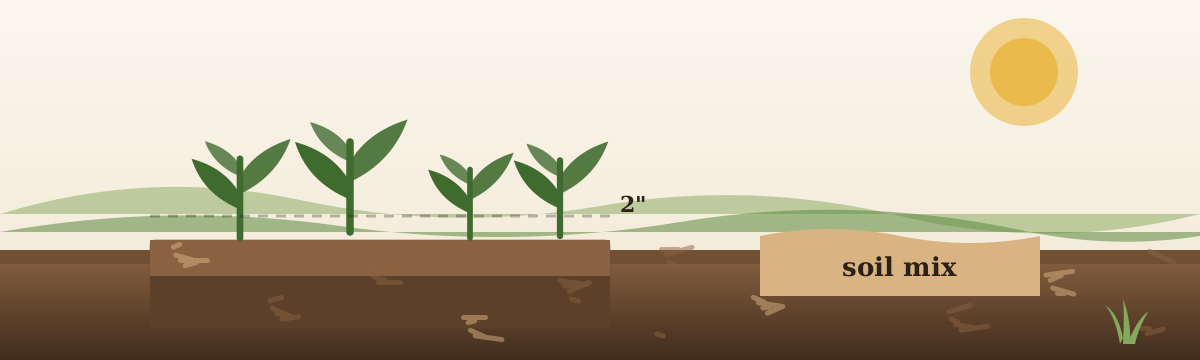
One more distinction is worth stating plainly, because it changes orders by a third. A 12-inch box is not 12 inches of soil. There is a freeboard gap at the top, the mix settles after the first few waterings, and a bed filled to the rim spills. The calculator page recommends leaving about two inches of freeboard for exactly that reason. So a 12-inch box takes about 10 inches of fill on the day you build it, and a little more a season later once the organic matter has settled — which is the same settling that eventually has you topping beds up in year two and beyond.
None of this argues for building lower than the sources recommend. It argues for choosing the box height from the rooting depth you need, then buying fill for the depth the box will actually hold after settling, rather than for the full board height.